Q: Why did my assessed value of the building portion of my property go up by over 40% when I made no substantial improvements to the house before the July 1, 2015 date?
My house was built in 1954. Don’t homes typically depreciate over time unless substantial renos (permitted) are completed?
Curious to know the justification.
A: I don’t have an answer yet but I’ve heard this from a couple of other people. Anyone have any idea why this might happen?
Understanding Vancouver’s Assessment Anomaly
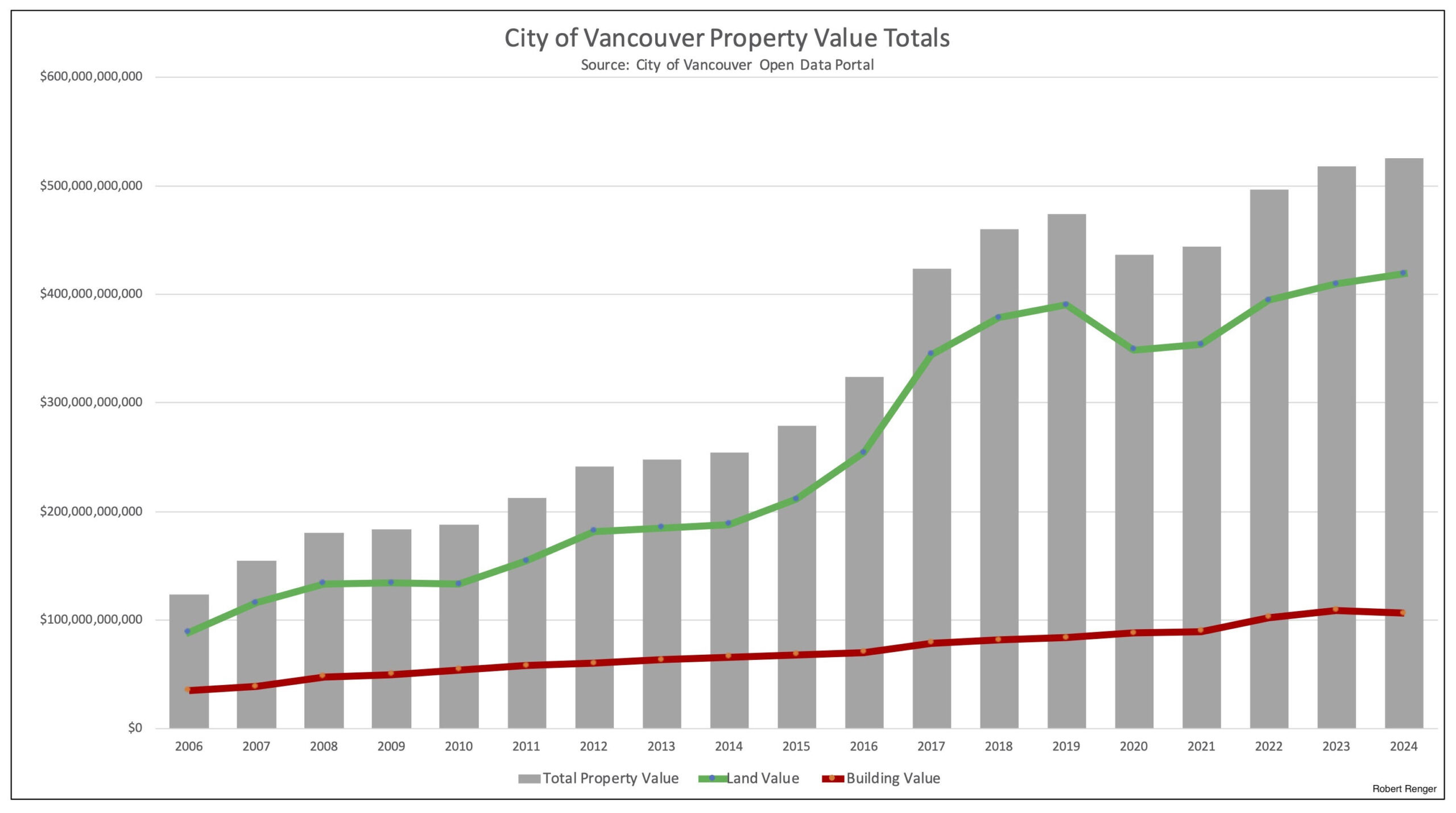
After investigating this question, which has puzzled many Vancouver homeowners, several key factors emerge that explain why building values can increase dramatically without any improvements.
The “Teardown Premium” Phenomenon
The most significant factor driving up building assessments in Vancouver is what real estate experts call the “teardown premium.” Even though your 1954 house may seem outdated, BC Assessment isn’t just valuing your existing structure – they’re assessing what a buyer would pay for your property in its current market context. In many Vancouver neighborhoods, older homes are being purchased not for their existing buildings, but for their redevelopment potential.
Zoning Changes and Development Potential
Between 2010 and 2015, Vancouver underwent significant zoning changes that increased development potential on many residential lots. Properties that were previously restricted to single-family homes suddenly gained rights for secondary suites, laneway houses, or even small-scale multi-family development. These zoning changes can add substantial value to a property, even if the current owner hasn’t acted on these opportunities.
The Land-to-Building Value Shift
BC Assessment calculates property value as two components: land value and building value. However, these aren’t entirely independent. In Vancouver’s superheated real estate market of 2015, even older buildings began carrying premium values because they represented “holding potential” – the building might be modest, but it allows the owner to hold the land until they’re ready to redevelop.
Market Comparables Drive Assessment
Assessment values are based on comparable sales in your area. If similar 1954 houses in your neighborhood sold for high prices – perhaps to buyers planning renovations or redevelopment – those sales become the basis for your assessment. The market doesn’t always distinguish between a house that’s been renovated and one that simply has renovation potential.
The “Character Home” Factor
Ironically, some older homes in Vancouver have gained value precisely because of their age. Mid-century homes are increasingly valued for their architectural character, large lots, and solid construction. What homeowners might see as outdated, buyers might see as authentic vintage charm worth preserving and updating.
Economic Context of 2015
The timing of your assessment is crucial. By 2015, Vancouver was experiencing unprecedented foreign investment, historically low interest rates, and a severe housing shortage. These factors created a market where any housing stock – regardless of condition – commanded premium prices. Your 1954 house wasn’t just competing with other 1954 houses; it was competing in a market where any detached home was considered valuable.
Assessment vs. Market Reality
It’s important to understand that BC Assessment reflects market conditions as of July 1 of the assessment year. The 40% increase in your building value likely reflects actual market transactions where similar properties sold for dramatically higher prices, even without improvements.
The Broader Policy Implications
This situation highlights a fundamental challenge in Vancouver’s housing market: how do we maintain affordability when even modest, older homes carry premium values? Your experience reflects a market where housing has become a commodity divorced from its actual utility as shelter.
The phenomenon you’re experiencing isn’t unique to your property – it’s a symptom of Vancouver’s broader housing crisis, where speculation and development potential have inflated values across all housing types, regardless of their current condition.