The city’s housing report is up here. Working on my overnight story. Your thoughts?
Vancouver’s comprehensive housing strategy marked a watershed moment in the city’s response to its affordability crisis. The three-pronged approach—establishing a housing authority, increasing developer requirements, and creating transition zones—represented the most ambitious municipal housing intervention since the 1970s urban renewal era.
The proposed housing authority would centralize Vancouver’s scattered affordable housing programs under professional management, potentially streamlining delivery while insulating housing policy from political cycles. This institutional approach borrowed from successful models in other jurisdictions where dedicated agencies could respond more rapidly to housing needs than traditional city departments.
Demanding more affordable units from developers through enhanced inclusionary zoning policies reflected growing recognition that market-rate development alone couldn’t address Vancouver’s housing needs. The policy would require developers to either include affordable units in projects or pay fees supporting affordable housing construction elsewhere, essentially taxing luxury development to subsidize workforce housing.
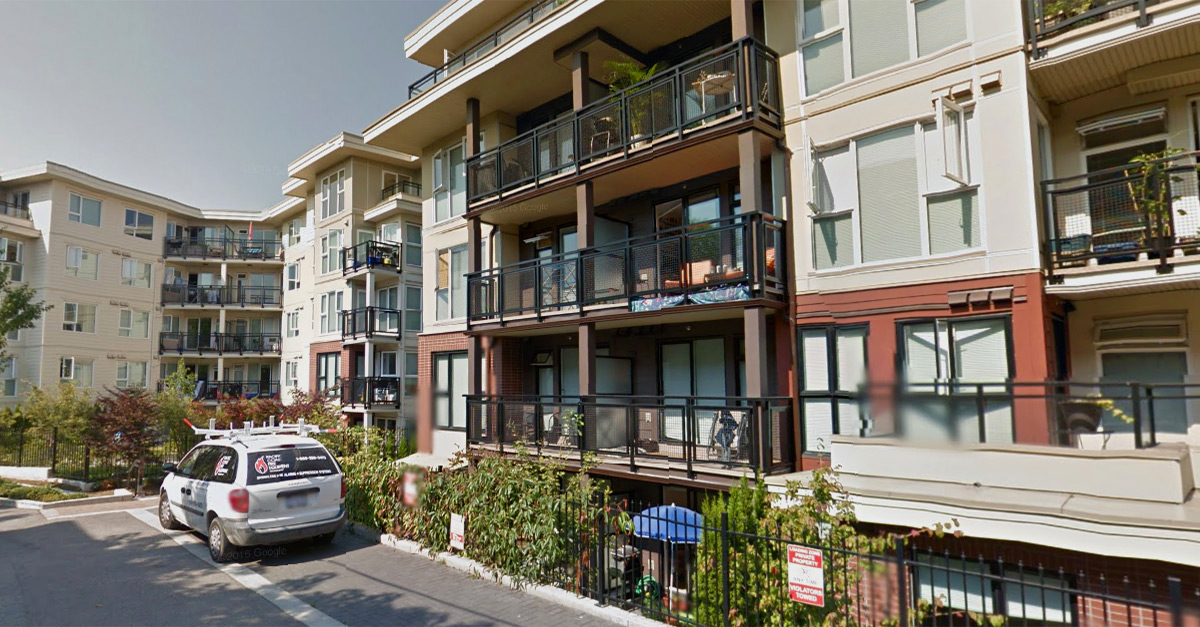
The transition zone designation aimed to bridge the gap between single-family neighborhoods and high-density corridors by allowing moderate density housing like townhouses and small apartments. This “missing middle” approach acknowledged that Vancouver’s binary zoning—detached houses or high-rise towers—contributed to affordability problems by limiting housing diversity.
The timing coincided with mounting public pressure as homeownership became impossible for middle-class families while rental vacancy rates approached zero. The recommendations represented acknowledgment that incremental policy adjustments couldn’t address the scale of Vancouver’s housing crisis.
However, implementation challenges loomed large. The housing authority required provincial legislation, developer requirements faced legal and economic obstacles, and transition zones would encounter fierce neighborhood resistance. Success would depend on political will to overcome predictable opposition from established interests.