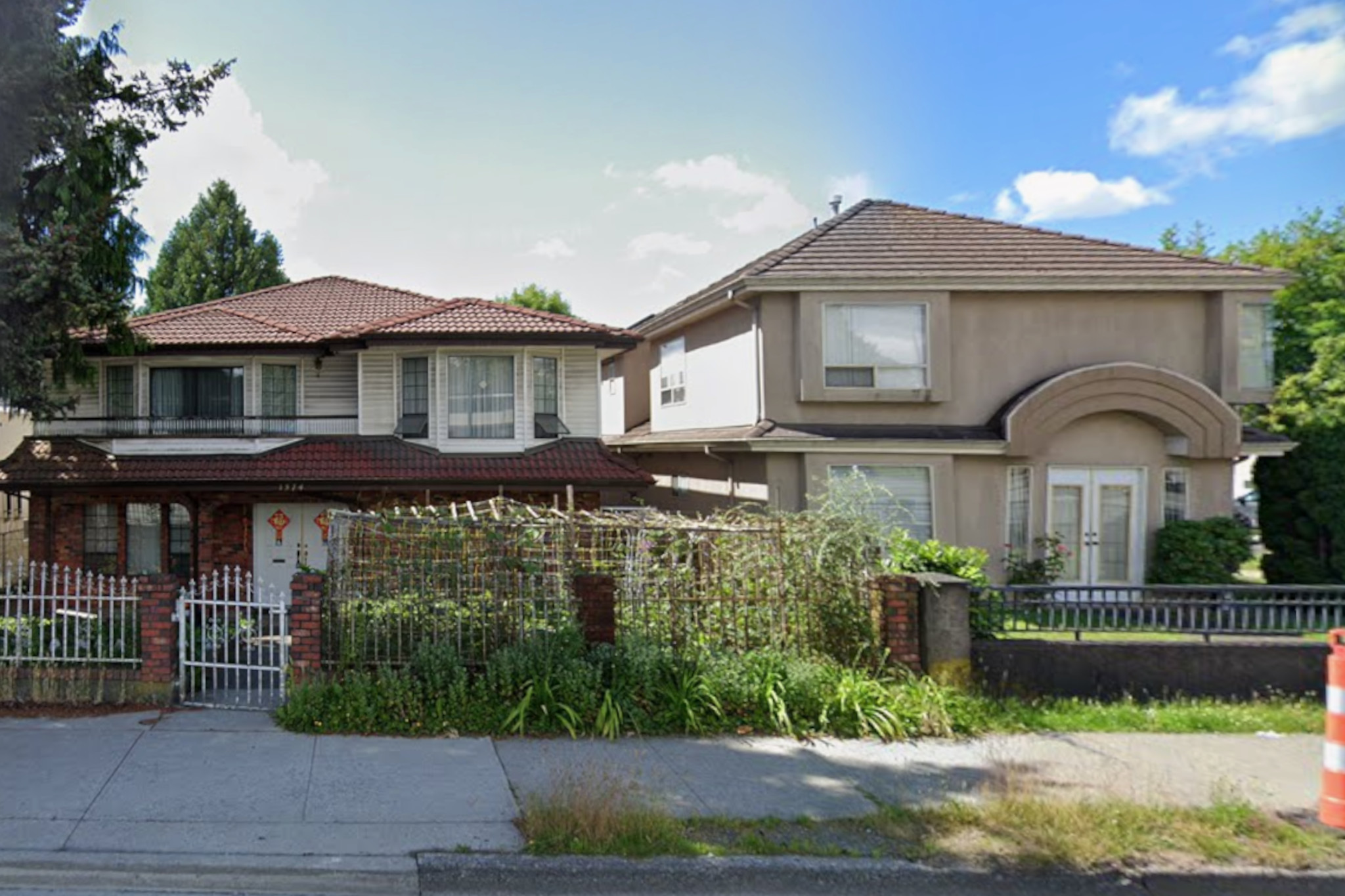
Got to tackle the land-assembly craze that people have been noticing around the city lately, as signs have sprouted all all over the place with whole blocks for sale.
As any number of land-assembly specialists told me, this is all about people stampeding to redevelop when a community plan changes to allow for more density.
Or in Surrey, I was told (didn’t get to include this in my Globe story attached here), it happens when a new piece of infrastructure goes in, i.e. a pumping station, that makes intense development possible.
This kind of land assembly was happening in parts of the downtown the last two decades — we just didn’t notice it because it was older commercial buildings and/or vacant lots.
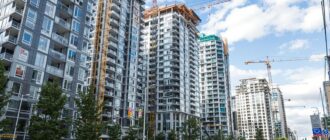
But with the signs all through Vancouver’s central neighbourhoods — Main, Cambie, Oak, 25th, 41st, 49th — it hits us in the face that the city is changing.
My online Globe story has a bit more in it than the print version, because I went and dug out the numbers on two different projects on Cambie — what the residents got, what the city got, what the developer got. Enjoy.
The land assembly phenomenon represents Vancouver’s most dramatic demonstration of how municipal planning decisions create instant wealth for some while fundamentally altering neighborhood character. The proliferation of “For Sale” signs across formerly stable residential areas signals unprecedented property speculation tied directly to city planning changes.
The timing of these assemblies reveals sophisticated property market intelligence. Developers and land speculators carefully track community plan amendments, zoning changes, and infrastructure investments to identify properties poised for dramatic value increases. When the city designates areas for increased density, single-family lots suddenly become valuable for their development potential rather than their housing value.
The Cambie Corridor exemplifies this dynamic perfectly. Canada Line construction and subsequent upzoning transformed modest family neighborhoods into prime development sites. Homeowners who might have lived in their houses for decades suddenly found themselves sitting on million-dollar development lots, creating windfalls for some while forcing others to relocate due to property tax increases.
The process creates complex equity issues. Long-term residents benefit from unexpected wealth but lose community connections and neighborhood character. Meanwhile, renters and newcomers face displacement and reduced housing options as affordable single-family rentals disappear in favor of higher-density developments.
The visible signs throughout Vancouver’s central neighborhoods mark a fundamental urban transformation. The city’s attempt to address housing shortages through density increases has unleashed market forces that reward land speculation while accelerating neighborhood change. This planning-driven gentrification represents both solution and problem for Vancouver’s housing crisis.