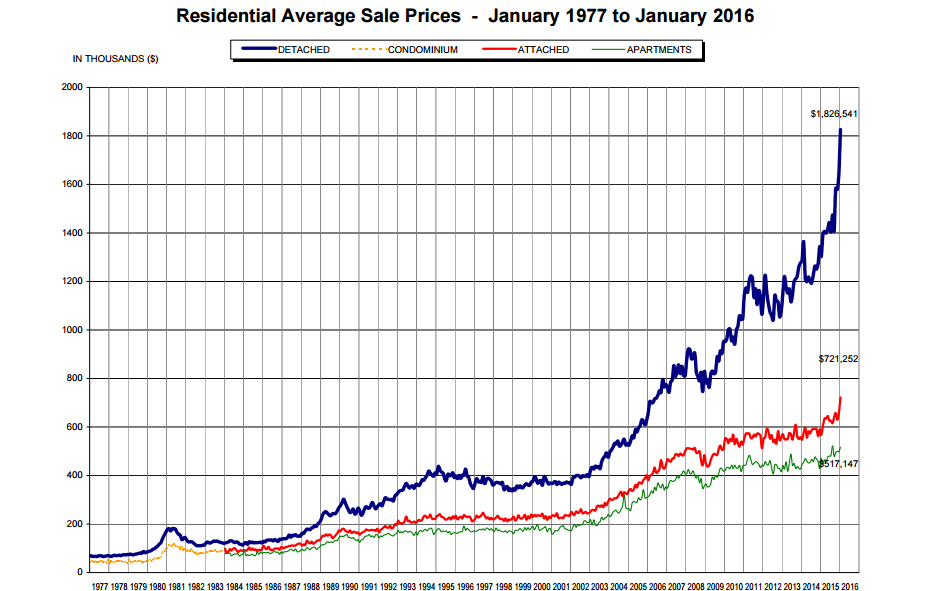
I still run into people who assume that Vancouver condos are all just a speculative game being played by offshore investors. Perhaps it still is, but it’s a long game these days.
As recent B.C. Assessment Authority numbers showed, as they issued their 2014 assessments, condos are by and large not appreciating and values are, in fact, declining in many areas. Did a short story on this here.
The 2014 assessment data revealed a stark disconnect between Vancouver’s reputation as a red-hot real estate market and the actual performance of its condo sector. While detached housing continued appreciating in many neighborhoods, condominiums faced stagnant or declining values that challenged assumptions about indiscriminate foreign investment driving all property sectors equally.
The condo market’s tepid performance reflected multiple converging factors. Oversupply from the pre-2008 construction boom continued affecting pricing, particularly for newer units competing with similar nearby developments. Rising strata fees, special assessments, and property taxes eroded investment returns even when sale prices remained stable. Meanwhile, rental yields failed to justify purchase prices for income-focused investors.
Foreign investment patterns proved more sophisticated than popular narratives suggested. International buyers increasingly focused on premium detached housing in prestigious neighborhoods rather than mass condo purchases. When offshore investors did purchase condos, they often held properties long-term rather than flipping quickly, reducing market turnover and price volatility.
The assessment authority’s data also highlighted significant geographical variations within Vancouver’s condo market. Downtown units near amenities maintained stronger values while suburban high-rises faced more substantial declines. Age and quality differences created further price stratification that challenged simple market generalizations.
For local buyers, the condo market’s stagnation offered rare affordability opportunities in Vancouver’s otherwise challenging housing market. First-time buyers could find reasonable prices and negotiating leverage that had been absent during previous boom periods. However, financing constraints and concerns about future appreciation limited demand growth.
The “long game” reference captured how investment strategies had adapted to new market realities. Quick profits were no longer available, requiring more patient capital and genuine rental income focus rather than speculative appreciation bets.