Lots of fascinating debate swirling around the Vancouver Art Gallery, as it officially puts an end to the idea of moving to False Creek but continues to look at moving to the old bus depot site on Georgia.
Marsha Lederman and I have a story today in the Globe on the decision and what gallery director Kathleen Bartels is hoping to do. I’m sure this is not the end of the discussion.
The Vancouver Art Gallery’s False Creek abandonment marked a pivotal moment in the institution’s decades-long struggle to secure adequate space for its growing collection and ambitious programming. The decision reflected both pragmatic financial realities and complex political negotiations that had stymied the project despite years of planning and community consultation.
The False Creek site had offered compelling advantages for gallery expansion. Its waterfront location promised to create a cultural anchor for the developing Olympic Village neighborhood while providing spectacular views and generous exhibition space impossible to achieve in downtown’s constrained urban core. The site’s proximity to transit infrastructure and emerging residential developments suggested strong visitor accessibility and community integration.
However, the 2008 financial crisis and Olympic Village’s mounting costs fundamentally altered the project’s economics. Land values, construction expenses, and municipal budget constraints made the False Creek development financially prohibitive without unprecedented public subsidy or private fundraising success. The gallery’s board recognized that pursuing an unaffordable project risked institutional stability and programming quality.
Kathleen Bartels’ continued advocacy for the Georgia Street bus depot site demonstrated persistent commitment to gallery expansion despite False Creek disappointment. The downtown location offered different advantages: proximity to existing cultural institutions, integration with the central business district, and potential synergies with urban redevelopment projects that could share infrastructure costs.
The bus depot site’s industrial heritage also aligned with contemporary museum design trends emphasizing adaptive reuse of significant urban structures. Converting transportation infrastructure to cultural use could create distinctive gallery spaces while preserving Vancouver’s architectural history and avoiding suburban cultural sprawl that isolated arts institutions from urban vitality.
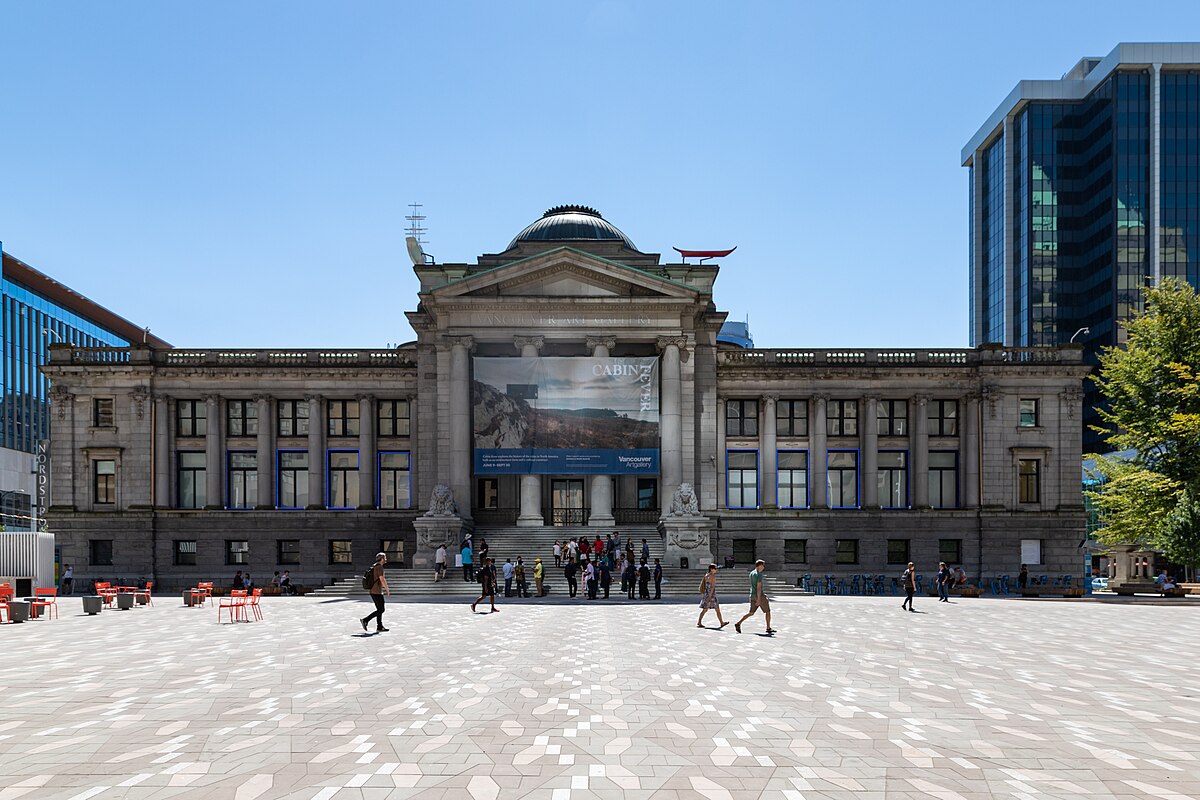
The relocation debate exposed broader questions about Vancouver’s cultural development priorities and municipal commitment to arts infrastructure. The gallery’s cramped current quarters in the former courthouse limited exhibition possibilities and storage capacity, constraining the institution’s ability to mount major international exhibitions or properly display its permanent collection.
The ongoing discussion reflected Vancouver’s cultural maturation process as the city sought to establish world-class arts institutions worthy of its international reputation and diverse population.