Okay, I officially give up trying to understand what is going on between TransLink and the province or among TransLink’s mayors. They signed a memorandum of understanding just weeks ago that seemed to pave the way for an agreement between Victoria and TL on how to fund future transit projects.
And now they’re back this week to where they were last year, with mayors saying they’re not willing to fund projects through property taxes, as proposed to them at a recent mayors’ council meeting, and no other solution in sight. Mayors issued a news release on this (see below) — so much for keeping their fights out of the media — and Dianne Watts, who wasn’t at the meeting, chimed in with her opinion here.
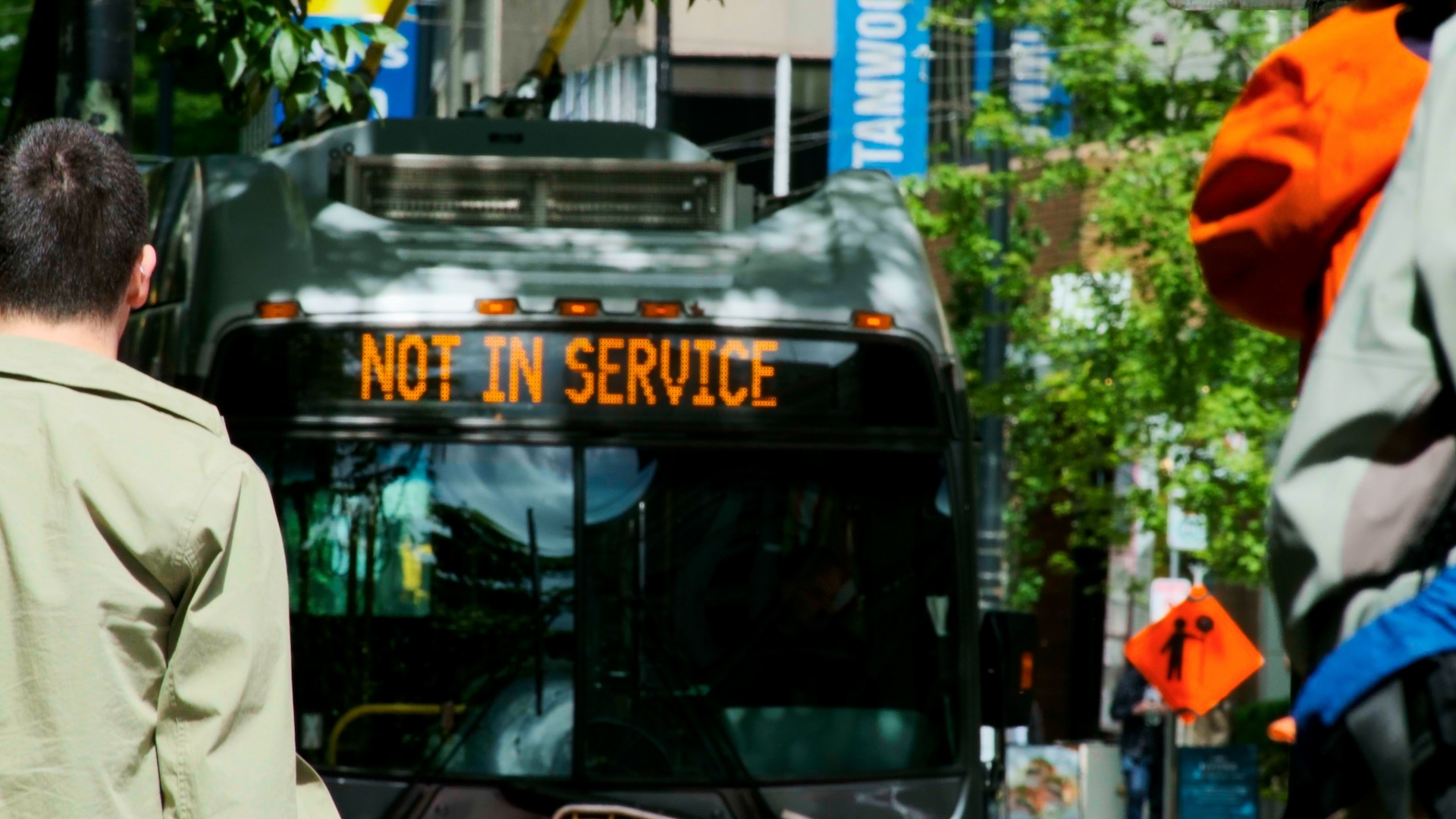
In the meantime, people, the last time I had to take the 99B across town, three completely packed double buses went past me about 30 seconds apart from each other and I was only able to squeeze onto the fourth slightly less packed bus because I elbowed my way in.
The TransLink funding crisis epitomized everything dysfunctional about regional governance in Metro Vancouver. The apparent progress represented by the memorandum of understanding had evaporated within weeks, revealing that political agreements meant little without sustainable revenue mechanisms and genuine inter-governmental cooperation. The cycle of hope and disappointment had become exhaustingly familiar to transit advocates and daily users alike.
The mayors’ rejection of property tax funding reflected both political realism and governance failure. Municipal politicians faced electoral accountability to taxpayers who increasingly questioned why local property taxes should fund regional infrastructure projects that primarily benefited other communities. However, their unwillingness to support any funding mechanism while simultaneously demanding transit improvements created an impossible political equation.
The province’s role in this dysfunction proved particularly frustrating. The BC Liberal government had restructured TransLink’s governance to remove direct mayoral control while maintaining mayoral funding responsibility—a arrangement that guaranteed conflict and accountability gaps. Victoria controlled most significant revenue tools but preferred downloading transit funding responsibility to regional authorities who lacked adequate resources.
Dianne Watts’ public commentary from Surrey illustrated the political theater that had replaced serious policy-making. Mayors found it politically safer to criticize funding proposals publicly than engage in difficult negotiations about sustainable solutions. The media release strategy demonstrated how regional leaders prioritized blame assignment over problem-solving.
The 99 B-Line experience provided stark contrast to the political dysfunction. Vancouver’s busiest bus route carried more passengers than many SkyTrain lines while operating at crush-load capacity that made daily commuting an endurance test. Passengers packed into buses like sardines while politicians debated funding mechanisms for improvements that remained perpetually delayed.
This disconnect between obvious service needs and political paralysis suggested fundamental problems with regional transportation governance that transcended specific funding disagreements. The system appeared designed to prevent decisions rather than facilitate necessary infrastructure investments for a growing metropolitan region.
The repeated return to “square one” indicated that without structural changes to governance and revenue mechanisms, this cycle would continue indefinitely.