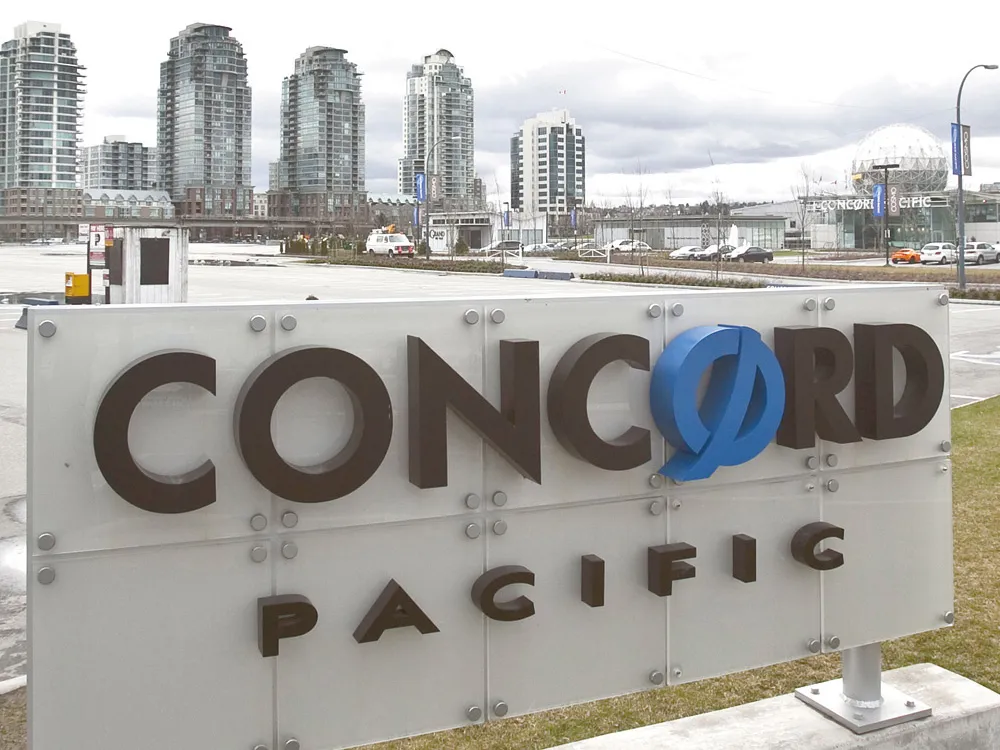
In an unprecedented legal showdown that has sent shockwaves through Vancouver’s development community, Concord Pacific—one of the city’s most prolific and collaborative developers—has filed a lawsuit against the City of Vancouver over a social housing land dispute that reveals the complex web of public-private partnerships shaping the city’s skyline.
The irony is striking: this isn’t your typical developer-versus-affordable-housing narrative. Instead, Concord Pacific is actually fighting to preserve the social housing designation of a False Creek property, arguing that the city’s attempt to sell the land for potential high-rise development violates decades-old agreements and threatens fair competition in the housing market.
The Land in Question
At the heart of this legal battle sits 601 Beach Crescent, a strategic piece of real estate in Vancouver’s coveted False Creek North area. According to court documents filed in B.C. Supreme Court, Concord Pacific transferred this land to the city in October 1999 under explicit terms that it would be used exclusively for “charitable public purposes”—specifically non-profit housing units or other community welfare initiatives.
The developer’s statement of claim reveals a tale of broken promises and shifting municipal priorities. When Concord Pacific originally developed the massive False Creek area—transforming 204 acres of former Expo 86 industrial land into a high-rise residential community—the company made this land transfer as part of broader community benefit agreements that have become standard practice in Vancouver’s development approval process.
A Competitive Advantage Threatened
Concord Pacific’s lawsuit centers on a fascinating argument about market fairness and urban planning integrity. The company contends that it developed surrounding residential towers based on city assurances that 601 Beach Crescent would remain a low-rise, non-profit housing site. Now, with the city marketing the property for potential development into a 425-foot condominium tower, Concord argues it faces “irreparable commercial harm.”
The developer’s position is that allowing a competitor to build luxury condos on land originally designated for social housing creates an unfair competitive advantage—essentially using community benefit land to undercut Concord’s own nearby projects. This novel legal theory could reshape how cities handle community amenity contributions and development agreements.
The City’s Dilemma
The city’s decision to put the site up for sale in May 2016 reflects broader pressures facing Vancouver’s housing market. While the Request for Proposals requires that 20% of any new development provide non-profit housing, the remaining 80% could become market housing, potentially generating significant revenue for municipal coffers while addressing housing supply shortages.
However, this approach appears to contradict the original 1999 agreement, raising questions about municipal accountability and the sanctity of development agreements that span multiple political administrations.
Seeking Legal Remedy
Concord Pacific is pursuing both an immediate injunction to halt the land sale and offering to repurchase the property at fair market value. The company’s willingness to buy back the land demonstrates their commitment to maintaining the original social housing vision—a position that puts them in the unusual role of defending affordable housing against municipal policy changes.
This legal challenge represents more than a single property dispute; it tests the reliability of Vancouver’s development framework and could influence how future public-private partnerships are structured. The outcome will likely establish important precedents for community benefit agreements across British Columbia.
As this case proceeds through the courts, it highlights the delicate balance between housing affordability, market competition, and municipal revenue generation that defines Vancouver’s ongoing development challenges.