Hard to keep up with all the major thingies getting approved by council these days.
Oakridge was Friday, where it was fascinating to see two very different views come out among councillors among what it all means. For the Visionistas, this is the exciting new future. For the opposition (NPA, Green), this redevelopment is a sad sign of the tumultuous change the city is going through and the fears it spurs about what will happen to the old Vancouver.
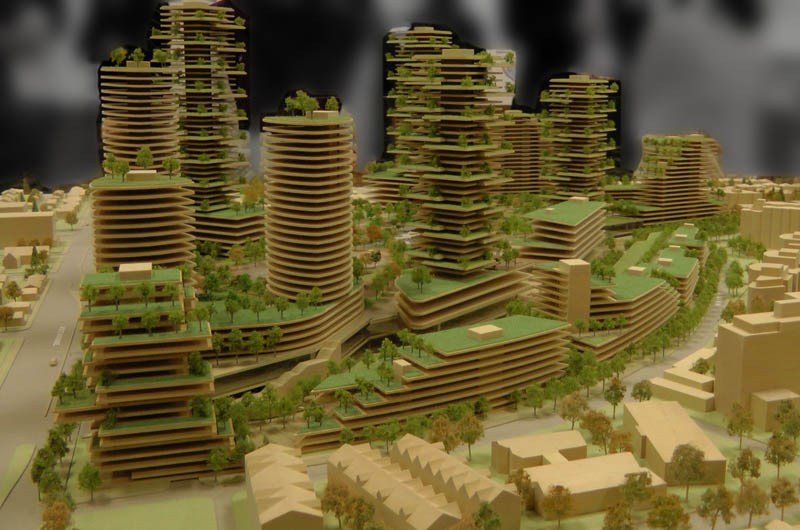
The massive project, which will transform the aging Oakridge Centre into a mixed-use community of residential towers, retail space, and civic amenities, represents one of the largest urban redevelopments in Vancouver’s history. Vision Vancouver councillors enthusiastically endorsed the proposal, with Councillor Andrea Reimer describing it as “a model for sustainable, transit-oriented development that other cities will study.”
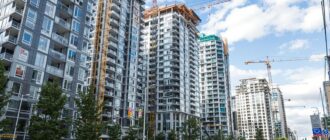
The approved development includes approximately 2,800 residential units across multiple towers, with heights reaching up to 45 storeys. The project promises significant environmental features, including district energy systems, extensive green roofs, and LEED Gold certification standards. A new nine-acre rooftop park will crown the development, while ground-level retail and community spaces aim to create a vibrant urban village atmosphere.
Opposition councillors raised concerns about the scale and pace of change. NPA Councillor George Affleck warned that “we’re fundamentally altering the character of established neighborhoods without adequate consultation with existing residents.” Green Councillor Adriane Carr questioned whether the city’s infrastructure could handle the influx of thousands of new residents.
The debate highlighted growing tensions about Vancouver’s housing crisis and urban densification. Proponents argue that projects like Oakridge are essential to accommodate population growth while reducing urban sprawl. Critics worry about the loss of neighborhood character and the displacement of existing communities.
The development’s proximity to the Canada Line’s Oakridge station was a key selling point for supporters, who emphasized reduced car dependency and improved transit access. However, concerns about increased traffic congestion and strain on local schools and services dominated much of the opposition’s arguments.
I can’t help thinking this is how the election is going to play out, as the city increasingly diverges between the newcomers quite happy to buy into the towers and townhouses and dense new development going up and those who are entrenched in the single-family neighbourhoods that they hope will never change. (That can be long-time residents, but also brand-new ones who’ve spent a fortune to buy into an increasingly rare commodity — the single-family neighbourhood — and are determined to fight to the death to keep it untouched.)