This is a Vancouver magazine story that I wrote last year, but everything in it is relevant — 100 times more — today, when it comes to Vision’s difficulties talking to the public.
BTW, when this was published, a Vision insider passed along the message to me that it was a piece of crap, or words to that effect.
The dismissive reaction from Vision Vancouver’s inner circle to critical media coverage has become emblematic of the party’s broader communication problems. Rather than engaging with legitimate concerns raised by journalists and citizens, Vision has often chosen to attack the messenger, a strategy that has contributed significantly to their political isolation.
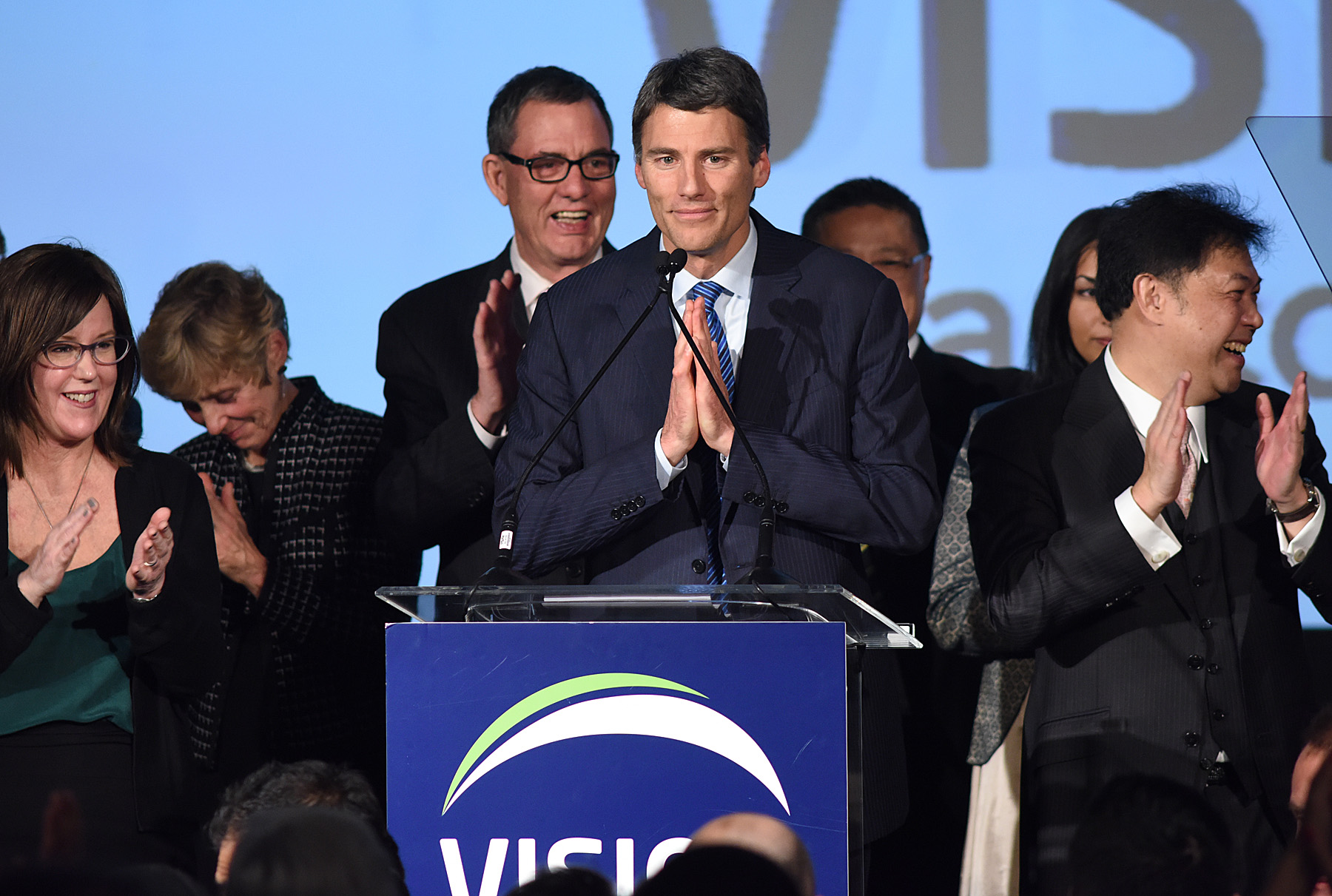
When Vision Vancouver first emerged on the political scene in 2005, it positioned itself as a fresh alternative to the established NPA, promising transparency, environmental leadership, and progressive urban planning. Under Gregor Robertson’s leadership, the party initially succeeded in capturing the imagination of Vancouver voters who were hungry for change after years of NPA dominance.
However, success bred complacency. As Vision consolidated power and implemented increasingly ambitious projects, they began to lose touch with the very communities that had brought them to office. The party’s decision-making process became increasingly centralized, with key decisions being made by a small circle of advisors rather than through meaningful community consultation.
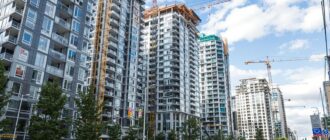
The housing crisis became Vision’s Achilles’ heel. Despite repeated promises to address affordability, housing costs continued to skyrocket during their tenure. While Vision could point to some policy initiatives, such as the Empty Homes Tax and foreign buyer tax advocacy, these measures came too late and were insufficient to address the magnitude of the problem. Middle-class families found themselves priced out of the city, while young professionals struggled to find affordable rental accommodation.
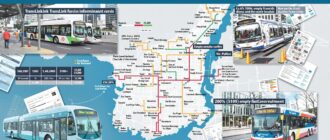
Vision’s transportation policies also became a source of significant controversy. While bike lanes and transit improvements had strong support among some demographics, the party’s failure to adequately consult with affected businesses and residents created unnecessary opposition. The Hornby Street bike lane controversy exemplified this problem – a potentially popular initiative that became divisive due to poor communication and consultation processes.
The party’s relationship with developers became increasingly controversial as well. While Vision maintained they were simply trying to increase housing supply, critics argued that the party had become too cozy with the development industry, approving projects that didn’t serve the broader public interest. The perception that Vision was more responsive to developer concerns than community voices became a persistent political liability.
Perhaps most damaging was Vision’s gradual retreat from public engagement. As criticism mounted, the party became increasingly defensive and insular, dismissing legitimate concerns as partisan attacks rather than addressing underlying issues. This created a vicious cycle where communication broke down entirely, leaving Vision unable to effectively explain their policies or respond to public concerns.
The party’s troubles were compounded by internal divisions and the departure of key figures who had helped build Vision’s early success. As the original vision that had united the party became diluted, Vision struggled to maintain coherence and direction, ultimately leading to their electoral defeat and organizational collapse.