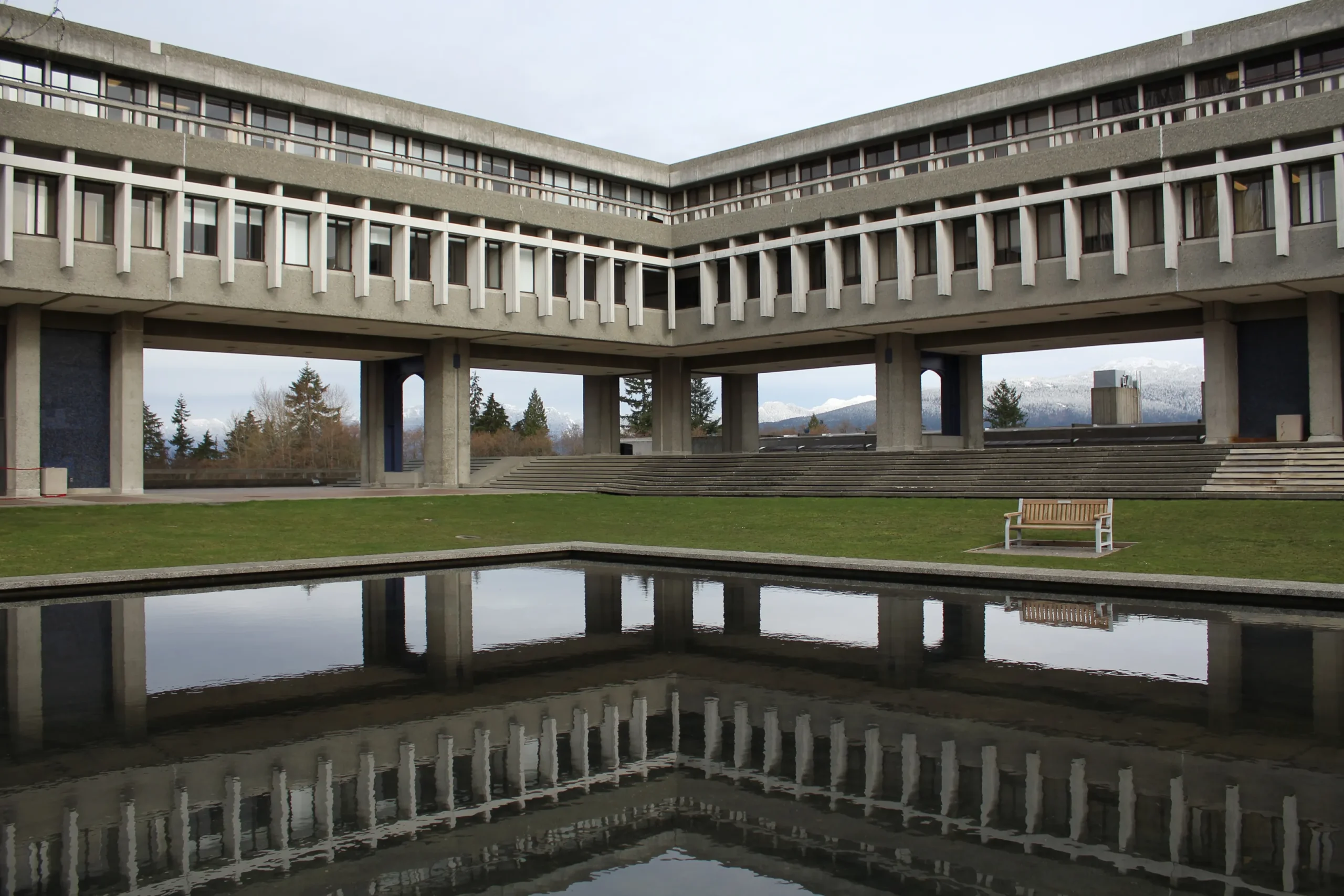
I have a story in Saturday’s Globe and Mail about the current scuffle going on between Arthur Erickson, Vancouver’s and Canada’s best-known architect, and the Architectural Institute of B.C. over what kind of work Arthur is actually doing on recent buildings he’s been associated with. I discovered after I wrote this that it also affects a building being planned in Calgary by Concord Pacific, which I’m told is being marketed as “Inspired by Arthur Erickson.”
The Professional Standards Question
The dispute centers on fundamental questions about professional responsibility and public representation in architecture. The Architectural Institute of B.C. maintains strict guidelines about how architects can represent their involvement in projects, particularly when it comes to marketing and public attribution. The concern is that Erickson’s name and reputation are being used to promote developments where his actual design contribution may be limited or entirely conceptual.
This isn’t merely a bureaucratic squabble over paperwork. The institute argues that public safety and professional integrity are at stake when the lines between conceptual inspiration and actual architectural responsibility become blurred. Licensed architects carry legal liability for building safety and code compliance — responsibilities that can’t be transferred through marketing agreements or consultancy arrangements.
The Marketing Machine
The real estate development industry has increasingly recognized the marketing value of “starchitect” associations. A building “by Arthur Erickson” can command premium prices and generate significant media attention, particularly in markets where architectural pedigree influences purchasing decisions. This creates powerful incentives for developers to maximize their association with renowned architects, even when the actual design work is being performed by others.
The Calgary project exemplifies this phenomenon. By marketing condominiums as “Inspired by Arthur Erickson,” Concord Pacific taps into Erickson’s legendary status while potentially avoiding the costs and complexities of full architectural engagement. The language is carefully crafted to suggest association without claiming direct design responsibility.
The Aging Master’s Dilemma
At 84, Arthur Erickson represents a generation of architects whose careers have spanned from the drawing board era to computer-aided design. His legendary projects — the Museum of Anthropology, Simon Fraser University, Robson Square — established him as one of Canada’s most important architectural voices. But advancing age and changing practice methods have complicated his continued involvement in active design work.
The dispute reflects broader questions about how aging professionals maintain their practice and legacy. Should renowned architects be able to lend their names to projects that align with their design philosophy, even if they’re not performing detailed technical work? Or does professional responsibility require direct, hands-on involvement in every project bearing their name?
The Institute’s Position
The Architectural Institute of B.C. has taken a firm stance that professional designation comes with non-negotiable responsibilities. Their position is that the public has a right to know exactly what role a licensed architect plays in any project, and that marketing language shouldn’t obscure these distinctions.
Institute officials point to potential liability issues and public safety concerns. If something goes wrong with a building that’s been marketed as an “Arthur Erickson” project, who bears responsibility? The marketing suggests Erickson’s involvement, but the actual design and engineering work may have been performed by others.
The Precedent Problem
This dispute has implications far beyond Arthur Erickson’s practice. If established architects can lend their names to projects with minimal involvement, it could fundamentally change how architectural services are marketed and delivered. Other prominent architects are watching this case closely, as it may establish new precedents for celebrity architect endorsements.
The controversy also highlights tensions between commercial real estate marketing and professional architectural practice. As the development industry increasingly values architectural branding, the temptation to stretch professional associations may become more common.
The Public Interest
Ultimately, this dispute reflects broader questions about truth in advertising and professional accountability. The public invests significant money in real estate purchases, often influenced by architectural associations. They deserve clarity about who is actually responsible for designing the buildings they’re buying.
The outcome of this professional dispute will likely influence how architectural marketing is regulated and how celebrity architects manage their legacy projects in the future.